Mastering the Art of Preserving Oil Paintings: A Comprehensive Guide
Oil paintings are cherished artworks that can last for centuries if properly cared for. However, the delicate nature of these masterpieces demands a deep understanding of preservation techniques to protect them from various threats. This comprehensive guide will equip you with the knowledge and best practices to safeguard your valuable oil paintings, ensuring their beauty endures for generations to come.
Understanding the Delicate Nature of Oil Paintings
The Aging Process of Oil Paintings
Oil paintings undergo a natural aging process that can lead to various changes in their appearance and structural integrity. As the oil-based pigments and binders interact with environmental factors, they may darken, crack, or become brittle over time. Understanding this process is crucial for implementing effective preservation strategies.
Common Threats to Oil Paintings: Light, Humidity, and Temperature
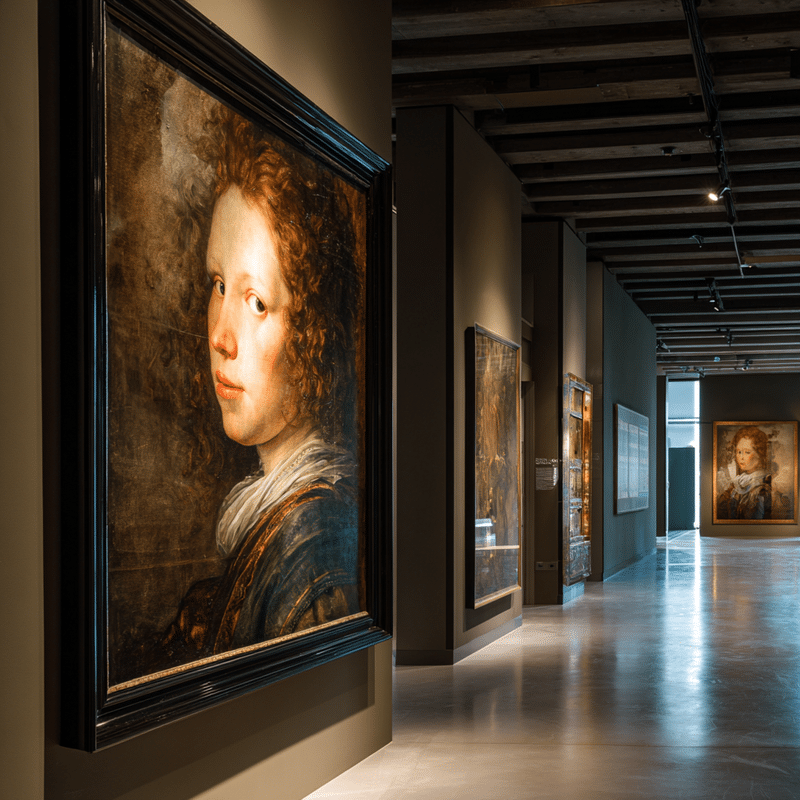
Three primary threats to oil paintings are light exposure, humidity levels, and temperature fluctuations. Excessive light can cause fading and discoloration, while high humidity can promote mold growth and canvas distortion. Temperature extremes and sudden changes can also lead to cracking, flaking, and other forms of deterioration.
Identifying Signs of Deterioration
Early detection of deterioration is key to preventing further damage. Some common signs to watch for include:
- Cracking or flaking paint
- Discoloration or fading
- Warping or distortion of the canvas
- Presence of mold or pests
Regular inspections by a trained professional can help catch these issues before they escalate.
Proper Storage and Display Techniques
Ideal Environmental Conditions for Oil Paintings
Maintaining the right environmental conditions is crucial for preserving oil paintings. Experts recommend:
- Temperature: 65°F to 75°F (18°C to 24°C)
- Relative humidity: 45% to 55%
- Minimal exposure to direct sunlight or UV radiation
Monitoring and controlling these factors can significantly extend the lifespan of your oil paintings.
Framing and Hanging Methods for Optimal Protection
Proper framing and hanging techniques can also contribute to the longevity of your oil paintings. Consider the following best practices:
- Use acid-free matting and backing materials
- Choose UV-filtering glazing or acrylic to block harmful rays
- Hang paintings away from direct sunlight and heat sources
- Ensure secure mounting to prevent damage from vibrations or accidents
Working with a reputable framer can ensure your oil paintings are protected from environmental threats.
Storing Oil Paintings: Dos and Don’ts
If you need to store your oil paintings, follow these guidelines:
| Do | Don’t |
|---|---|
|
|
Proper storage techniques can prevent damage and ensure your oil paintings remain in pristine condition.
Cleaning and Maintenance Routines
Dusting and Dry Cleaning Techniques
Regular dusting and dry cleaning are essential for maintaining the appearance and integrity of oil paintings. Use a soft, clean brush or a vacuum with a soft brush attachment to gently remove surface dust and debris. Avoid using water or cleaning solutions, as they can damage the paint layers.
Removing Surface Grime and Stains
Over time, oil paintings may accumulate surface grime or stains. For minor issues, you can try using a soft, dry cloth or a kneaded eraser to gently lift the discoloration. However, it’s crucial to exercise caution and seek professional assistance for more stubborn or widespread stains.
When to Seek Professional Restoration Services
While minor cleaning and maintenance can be done at home, more significant issues should be addressed by a professional art conservator. Signs that your oil painting may need professional restoration include:
- Severe cracking or flaking paint
- Discoloration or fading that cannot be remedied through gentle cleaning
- Canvas distortion or structural damage
- Presence of mold or pest infestations
Attempting to repair these issues yourself could lead to further damage or devaluation of the artwork.
Handling and Transporting Oil Paintings
Safe Handling Practices
Proper handling is crucial to prevent accidental damage to your oil paintings. Always:
- Wear clean, lint-free gloves to avoid transferring oils or dirt
- Support the painting from the back or sides, never by the frame
- Avoid touching the paint surface or canvas
- Use both hands to carry the painting, keeping it level and secure
These simple precautions can go a long way in protecting your valuable artworks.
Packing and Shipping Guidelines
If you need to transport your oil paintings, follow these packing and shipping guidelines:
- Use acid-free materials for wrapping and padding
- Secure the painting with foam corners or edge protectors
- Pack in a sturdy, well-cushioned box or crate
- Clearly label the package as “Fragile” and “This Side Up”
- Consider using a specialized art shipping service for added protection
Proper packing and shipping techniques can minimize the risk of damage during transit.
Insuring Your Valuable Oil Paintings
Given the significant value of many oil paintings, it’s essential to consider obtaining appropriate insurance coverage. Art insurance policies can protect against various risks, including theft, damage during transit, and accidental damage. Consult with an insurance professional to determine the right coverage for your valuable artworks.
Preventative Conservation Measures
Creating a Stable Environment
One of the most effective ways to preserve oil paintings is by creating a stable environment that minimizes exposure to harmful factors. This may involve:
- Installing climate control systems to maintain optimal temperature and humidity levels
- Using UV-filtering window treatments or glazing to block damaging light
- Implementing pest control measures to prevent infestations
- Regularly monitoring environmental conditions and making adjustments as needed
By proactively addressing these factors, you can significantly reduce the risk of deterioration.
Monitoring and Maintaining Optimal Conditions
Regularly monitoring and maintaining optimal conditions is crucial for the long-term preservation of oil paintings. Consider investing in specialized equipment, such as hygrometers and thermometers, to track temperature and humidity levels. Additionally, schedule routine inspections and maintenance checks to identify and address any potential issues before they escalate.
Disaster Preparedness and Recovery Plans
Despite your best efforts, unexpected disasters like fires, floods, or earthquakes can still occur. Having a comprehensive disaster preparedness and recovery plan in place can help minimize damage and ensure the safety of your valuable oil paintings. This may include:
- Identifying safe storage or evacuation locations
- Establishing emergency response protocols
- Maintaining up-to-date documentation and records
- Developing relationships with professional art conservators and restoration services
By being proactive and prepared, you can increase the chances of successfully recovering and preserving your oil paintings in the event of a disaster.
Frequently Asked Questions
Can I Clean an Oil Painting Myself?
While minor dusting and dry cleaning can be done at home, it’s generally recommended to seek professional assistance for more extensive cleaning or restoration needs. Attempting to clean an oil painting improperly can lead to irreversible damage or devaluation of the artwork.
How Often Should I Have My Oil Paintings Professionally Cleaned?
The frequency of professional cleaning depends on various factors, such as the age of the painting, the environmental conditions it’s exposed to, and the level of surface grime or discoloration. As a general guideline, it’s advisable to have your oil paintings professionally cleaned every 5 to 10 years, or sooner if you notice significant deterioration.
What Are the Signs That an Oil Painting Needs Restoration?
Some common signs that an oil painting may require professional restoration include:
- Severe cracking or flaking paint
- Discoloration or fading that cannot be remedied through gentle cleaning
- Canvas distortion or structural damage
- Presence of mold or pest infestations
If you notice any of these issues, it’s best to consult with a qualified art conservator to assess the condition of the painting and determine the appropriate course of action.