Unveiling the Enigmatic Realm: Contemporary Art in the Modern Era
The world of contemporary art is a captivating enigma, constantly evolving and challenging traditional notions of what art can be. In this ever-changing landscape, artists push boundaries, question societal norms, and explore new mediums and forms of expression. From thought-provoking installations to immersive digital experiences, contemporary art invites us to embark on a journey of discovery, where the lines between art and life blur, and the familiar becomes extraordinary.
Defining Contemporary Art: A Fluid Concept
What is Contemporary Art?
Contemporary art is a fluid and ever-changing concept that defies rigid definitions. It encompasses a wide range of artistic practices and movements that have emerged since the late 20th century, reflecting the complexities and diverse perspectives of our modern world. Unlike traditional art forms, contemporary art is not bound by specific styles or mediums; instead, it embraces a multidisciplinary approach, blending various techniques, materials, and concepts.
Characteristics of Contemporary Art
Contemporary art is often characterized by its ability to challenge conventional norms, provoke thought, and foster dialogue. It frequently incorporates elements of conceptualism, where the idea behind the artwork takes precedence over the physical object itself. Additionally, contemporary art often blurs the boundaries between different artistic disciplines, seamlessly integrating elements of painting, sculpture, performance, and digital media.
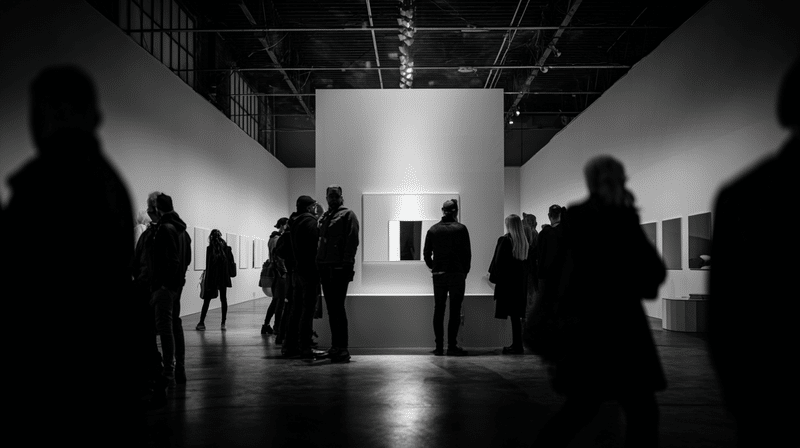
Blurring Boundaries: The Intersection of Art and Life
One of the defining features of contemporary art is its ability to blur the boundaries between art and everyday life. Artists often incorporate ordinary objects, found materials, or even entire environments into their works, inviting viewers to reconsider the mundane and question their perceptions of reality. This interplay between art and life challenges traditional notions of what constitutes art and encourages a more inclusive and participatory experience.
Tracing the Evolution: Pivotal Movements and Styles
Postmodernism: Challenging Traditional Narratives
Postmodernism, a philosophical and artistic movement that emerged in the latter half of the 20th century, played a pivotal role in shaping contemporary art. Postmodern artists challenged traditional narratives and hierarchies, embracing a more pluralistic and inclusive approach. They questioned the authority of institutions and rejected the idea of a single, universal truth, instead celebrating diversity, fragmentation, and multiple perspectives.
Conceptual Art: Idea over Object
Conceptual art, which gained prominence in the 1960s and 1970s, placed a strong emphasis on ideas and concepts over the physical artwork itself. Artists like Sol LeWitt, Joseph Kosuth, and Lawrence Weiner created works that prioritized the thought process and the underlying concept, often using language, instructions, or minimal materials to convey their message.
Installation Art: Immersive Experiences
Installation art emerged as a powerful form of contemporary expression, transforming entire spaces into immersive and multisensory experiences. Artists like Yayoi Kusama, Olafur Eliasson, and Tara Donovan created large-scale, site-specific installations that engaged viewers on a physical and emotional level, challenging their perceptions and inviting them to become active participants in the artwork.
Performance Art: Ephemeral and Experiential
Performance art, which gained prominence in the 1960s and 1970s, embraced the ephemeral and experiential nature of art. Artists like Marina Abramović, Chris Burden, and Carolee Schneemann used their bodies as mediums, creating live performances that explored themes of identity, endurance, and sociopolitical issues. These fleeting and often controversial works challenged traditional notions of art as a static, permanent object.
Exploring Contemporary Art Forms
Digital Art: Embracing Technology
In the digital age, contemporary artists have embraced technology as a powerful tool for creative expression. Digital art, which encompasses a wide range of practices including computer graphics, animation, virtual reality, and interactive installations, has become a prominent force in the art world. Artists like Refik Anadol, Memo Akten, and Hito Steyerl have pushed the boundaries of what is possible with digital media, creating immersive and thought-provoking works that challenge our understanding of reality and perception.
Street Art: Urban Canvases
Street art, once considered a form of vandalism, has evolved into a respected and influential contemporary art movement. Artists like Banksy, JR, and Vhils have transformed urban landscapes into vibrant canvases, using techniques such as graffiti, stenciling, and large-scale murals to address social and political issues, challenge authority, and reclaim public spaces.
Environmental Art: Nature as Muse
Contemporary artists have also turned to nature as a source of inspiration and a medium for artistic expression. Environmental art, also known as land art or earthworks, involves the creation of site-specific works that engage with the natural environment. Artists like Robert Smithson, Andy Goldsworthy, and Nils-Udo have created stunning and thought-provoking installations that highlight the fragility and beauty of our planet, while also raising awareness about environmental issues.
Socially Engaged Art: Art as Activism
Many contemporary artists have embraced the power of art as a tool for social change and activism. Socially engaged art addresses issues such as inequality, human rights, and environmental concerns, often involving collaboration with communities and fostering dialogue and action. Artists like Ai Weiwei, Tania Bruguera, and Theaster Gates have used their art to challenge oppressive systems, raise awareness, and inspire positive change.
Influential Contemporary Artists
Pioneers and Trailblazers
The contemporary art world has been shaped by a diverse array of pioneering artists who have pushed boundaries and challenged conventions. Artists like Marcel Duchamp, Andy Warhol, and Yoko Ono were trailblazers who paved the way for future generations, questioning the very definition of art and exploring new mediums and concepts.
Emerging Voices and Rising Stars
While established artists have left an indelible mark on the contemporary art scene, a new generation of emerging voices and rising stars continues to shape the future of the art world. Artists like Kehinde Wiley, Simone Leigh, and Anicka Yi are challenging traditional narratives, exploring intersectional identities, and pushing the boundaries of materials and techniques.
Diversity and Representation in Contemporary Art
Contemporary art has also been a catalyst for increased diversity and representation, amplifying voices that have historically been marginalized or underrepresented in the art world. Artists from diverse backgrounds, including Kara Walker, Mickalene Thomas, and Yinka Shonibare, have used their work to explore issues of race, gender, and identity, challenging existing power structures and fostering a more inclusive and equitable art ecosystem.
Collecting and Appreciating Contemporary Art
Understanding the Art Market
The contemporary art market is a dynamic and often complex landscape, driven by a combination of artistic merit, cultural significance, and market forces. Collectors, galleries, and institutions play a crucial role in shaping the value and perception of contemporary art. To navigate this market successfully, it is essential to develop a deep understanding of artistic trends, market dynamics, and the various players involved.
| Market Player | Role |
|---|---|
| Galleries | Represent and promote artists, curate exhibitions, and facilitate sales |
| Auction Houses | Facilitate the buying and selling of artworks through public auctions |
| Art Fairs | Provide platforms for galleries to showcase and sell contemporary art |
| Museums | Collect, preserve, and exhibit significant contemporary artworks |
Building a Collection: Strategies and Tips
For those interested in collecting contemporary art, there are several strategies and tips to consider:
- Develop a focused area of interest: Identify a particular artistic movement, medium, or theme that resonates with you and concentrate your collecting efforts in that area.
- Educate yourself: Attend exhibitions, read art publications, and engage with galleries and artists to deepen your understanding of contemporary art.
- Start small and build gradually: Begin with affordable works from emerging artists and gradually expand your collection as your knowledge and resources grow.
- Consider investing in limited editions: Limited edition prints, photographs, or sculptures can be a more accessible entry point into collecting contemporary art.
- Seek guidance from experts: Consult with art advisors, curators, or experienced collectors to gain insights and make informed decisions.
Experiencing Contemporary Art: Galleries, Museums, and Beyond
While collecting contemporary art is a rewarding pursuit, experiencing it firsthand is equally important. Galleries, museums, and art fairs provide invaluable opportunities to immerse yourself in the world of contemporary art. Mika Art Gallery, a renowned online platform, offers a curated selection of contemporary paintings and fine art photography from internationally acclaimed and emerging artists, making it easier for art enthusiasts to discover and appreciate exceptional works from around the globe.
Beyond traditional venues, contemporary art has also found its way into public spaces, urban environments, and digital realms. Public art installations, street art, and virtual exhibitions have made contemporary art more accessible and integrated into our daily lives, blurring the boundaries between art and everyday experiences.
Controversies and Debates in Contemporary Art
Challenging Traditional Notions of Art
Contemporary art has often sparked debates and controversies by challenging traditional notions of what constitutes art. Works that push boundaries or question societal norms have faced criticism and censorship, igniting discussions about the role of art in society and the limits of artistic expression.
Appropriation and Intellectual Property
The practice of appropriation, where artists incorporate or reference existing works or cultural elements, has raised concerns about intellectual property rights and cultural appropriation. Artists like Richard Prince and Sherrie Levine have faced legal battles and criticism for their appropriation-based works, highlighting the complex relationship between artistic expression and intellectual property.
Censorship and Freedom of Expression
Contemporary art has often pushed boundaries and challenged societal norms, leading to instances of censorship and debates around freedom of expression. Controversial works by artists like Andres Serrano, Robert Mapplethorpe, and Chris Ofili have faced backlash, protests, and even legal challenges, sparking discussions about the role of art in society and the limits of artistic expression.
The Future of Contemporary Art
Emerging Trends and Directions
The future of contemporary art is shaped by a constant evolution of ideas, technologies, and societal shifts. Emerging trends and directions include a heightened focus on environmental sustainability, social justice, and the intersection of art and technology. Artists are exploring new mediums, such as virtual and augmented reality, artificial intelligence, and biotechnology, pushing the boundaries of what art can be and how it is experienced.
The Role of Technology in Art
Technology has become an integral part of contemporary art, not only as a tool for creation but also as a medium in itself. Digital art, interactive installations, and immersive experiences are becoming increasingly prevalent, blurring the lines between physical and virtual realms. Artists are exploring the potential of emerging technologies like artificial intelligence, virtual reality, and blockchain to create new forms of artistic expression and challenge our perceptions of reality.
Globalization and Cultural Exchange
In an increasingly interconnected world, contemporary art has become a platform for cultural exchange and cross-pollination of ideas. Artists from diverse backgrounds and regions are collaborating, sharing perspectives, and challenging Western-centric narratives. This globalization of the art world has led to a more inclusive and diverse artistic landscape, fostering dialogue and understanding across cultures.